
Bump Steer – What Is It & How Does It Work?

Bump steer turns otherwise enjoyable cars into vehicles that fight you constantly. Hit a bump and the steering wheel tugs to one side. Drive over uneven pavement and the car wanders like it has a mind of its own. These aren’t quirks you learn to live with, either. They’re symptoms of a suspension geometry problem that needs fixing.
What Is Bump Steer?
What is bump steer? It’s easiest to give examples to answer this question. Basically, the steering wheel moves when you hit bumps, even though you’re not turning it. Sometimes your wheels change direction during vertical suspension movement when they should just move up and down. That’s the simple version.
In a properly designed suspension, vertical wheel movement happens independently of steering. Hit a pothole, and the wheel should compress straight up without changing where it points. Bump steer means this basic principle has broken down, creating unwanted connections between suspension travel and steering angle.
The problem becomes obvious during highway driving over rough pavement. Constant small suspension movements create continuous steering corrections. You can’t relax your grip on the wheel because the car keeps trying to change direction on its own. Hit an expansion joint at speed and you might get a steering input violent enough to feel dangerous.
The Geometry Problem
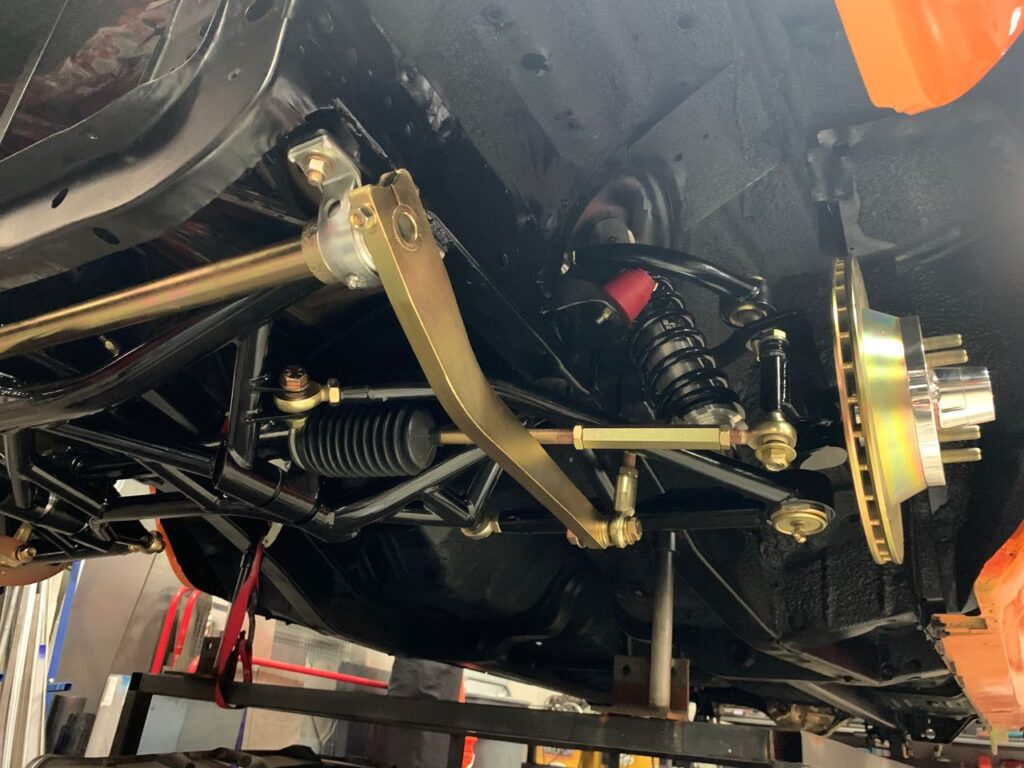
What causes bump steer comes down to mismatched arcs. Your suspension components and steering linkage each follow specific paths as the wheel moves up and down. When these paths don’t match, trouble starts.
The suspension makes the wheel pivot around a theoretical point called the instant center. The steering tie rod also pivots, creating its own arc. In ideal conditions, these two arcs match perfectly through the full suspension travel range. When they don’t match, the tie rod pushes or pulls the steering knuckle sideways as the suspension moves, changing toe angle and creating steering input you never asked for.
Picture two circles with slightly different sizes. The distance between them changes as you move around them. That changing distance, translated to your suspension, becomes the toe angle change creating bump steer. Bigger mismatch means worse bump steer.
Front suspensions using control arms (double wishbone or MacPherson strut designs) get particularly sensitive to this geometric relationship. Change anything and you risk disrupting the careful balance factory engineers established.
Why Your Car Has Bump Steer
What causes bump steer in real vehicles usually traces back to modifications, wear, or just setup mistakes.
Lowering Gone Wrong: Drop your car two inches and everything changes. Control arms operate at different angles. Tie rods sit in different positions relative to suspension pivots. The geometry that worked perfectly at stock height now creates problems. Most lowered cars suffer bump steer because someone changed ride height without fixing the steering geometry.
Worn Tie Rod Ends: Sloppy tie rod ends with excessive play make existing bump steer worse. Wrong tie rod ends – different lengths or mounting positions than specified – introduce geometric errors that create problems from scratch.
Steering Rack Height: The rack’s vertical position relative to control arm pivots matters enormously. Mount it too high or too low and you’ve created geometric mismatches that generate steering input during suspension movement. Engine swaps and custom chassis builds often get this wrong because nobody thought about steering rack placement carefully enough.
Modified Pickup Points: Move control arm mounting points to change roll center height or camber curves, and you’ve probably introduced bump steer as an unintended consequence. Every geometric change affects multiple things simultaneously. Optimize one parameter without considering the others and you create new problems.
Wrong Ride Height: Even stock vehicles can develop bump steer when operated far outside their designed ride height range. Heavily loaded trucks or cars with sagging springs move the suspension geometry outside the range where engineers minimized these effects.
Spotting the Problem
Professional shops measure bump steer with specialized gauges that track toe angle changes through suspension travel. These tools show exactly where in the travel range problems occur and how severe they get.
For home diagnosis, pay attention while driving. Bump steer shows up as steering wheel movement or direction changes when hitting bumps. One-sided bumps where only one wheel moves make it particularly obvious. Higher speeds amplify the effect because even small toe changes create noticeable results.
Jack up one front wheel and cycle the suspension through its travel while watching the wheel’s toe angle. Significant toe changes during this movement mean you’ve got bump steer worth fixing. This won’t give you the precision of professional tools, but it reveals whether the problem is serious enough to address.
Fixing the Geometry
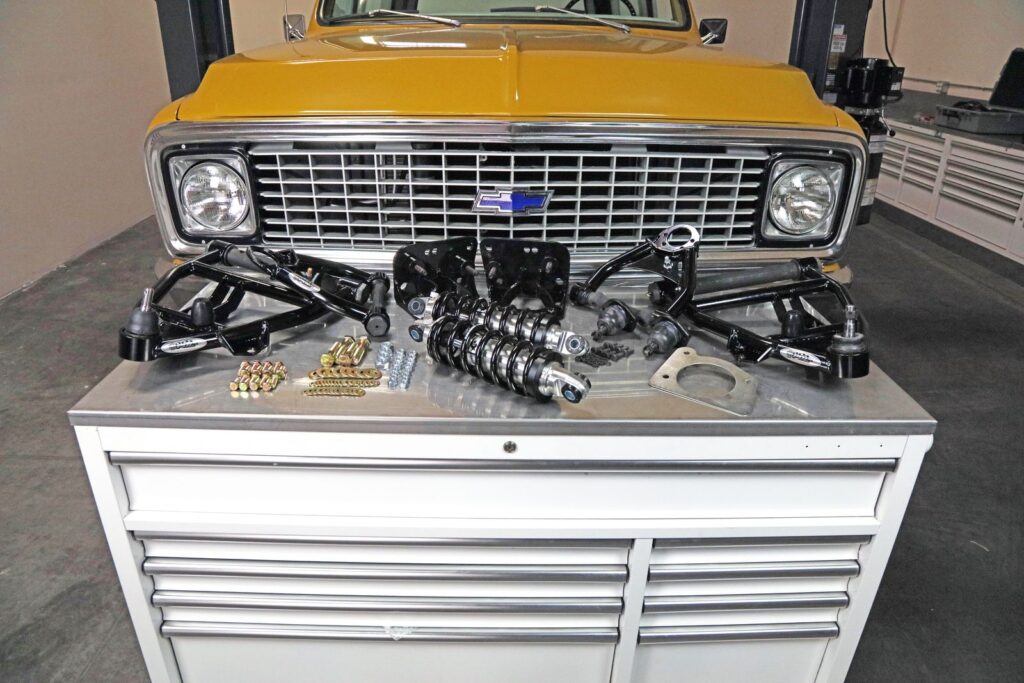
How to fix bump steer depends on what caused it and how bad it got.
- Steering Rack Repositioning: Move the rack up or down to change the tie rod arc so it matches the suspension’s movement pattern better. Adjustable rack mounts or spacers make this possible. This works particularly well for lowered vehicles where the rack ended up too high relative to the modified suspension geometry.
- Tie Rod Correction: Adjustable tie rod ends or bump steer spacers let you fine-tune where the tie rod connects to the knuckle. Change this pivot point and you alter the geometric relationship to minimize bump steer through suspension travel. Quality steering building kits provide the components needed for proper correction.
- Roll Center Adjusters: These components modify control arm geometry to fix both roll center height and bump steer simultaneously. By changing where the control arm effectively pivots, these adjusters restore geometric relationships that lowering or other modifications disrupt.
- Comprehensive Geometry Analysis: Serious builds and race applications benefit from suspension geometry software that identifies optimal component positioning. This approach considers all geometric factors at once, creating solutions that optimize multiple performance characteristics.
- Return to Stock: Sometimes the best fix involves undoing the modifications that created the problem. If lowering caused the issue, returning to stock ride height eliminates it. Alternatively, properly engineered coilover conversion kits designed to maintain correct geometry at lower ride heights solve the problem without giving up your desired stance.
Planning Prevents Problems
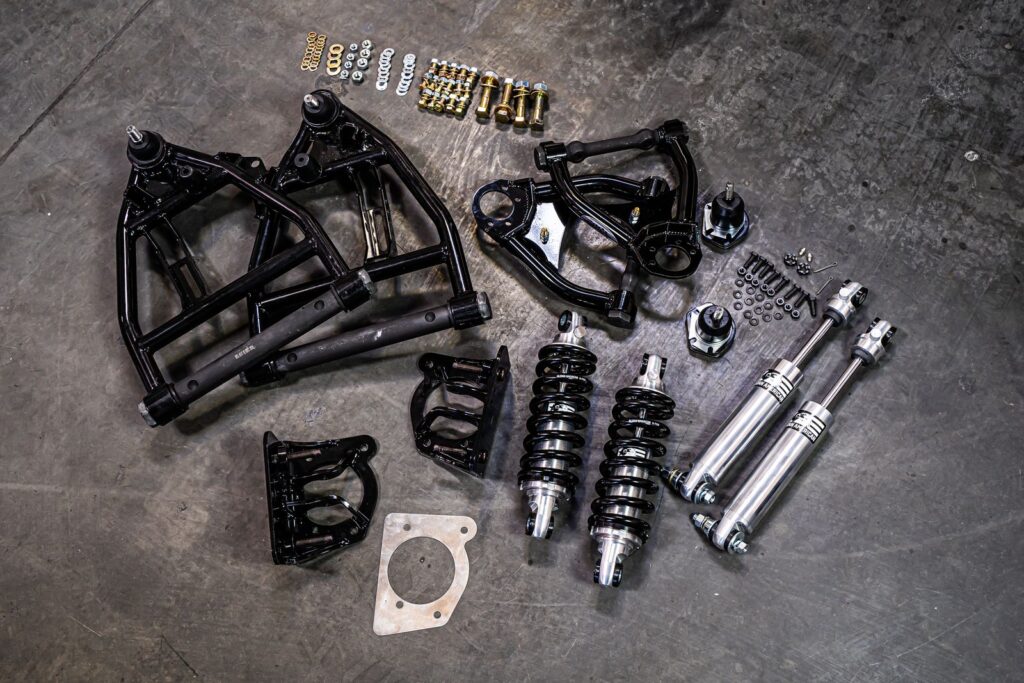
Avoid bump steer by thinking about steering geometry before modifying suspension. When you change suspension geometry, plan for corresponding steering corrections.
Quality coilover kits designed specifically for your vehicle account for the geometric changes that lowering creates. Vehicle-specific engineering ensures ride height changes don’t introduce handling problems you’ll have to fix later.
Comprehensive suspension packages that address multiple components work better than random part changes. These integrated systems consider how components interact, preventing situations where improvements in one area create problems somewhere else.
When to Call the Pros

You can fix some bump steer issues yourself, but serious problems often need professional evaluation. Shops with proper alignment equipment and bump steer gauges measure exactly what happens through suspension travel and recommend specific corrections.
Professional diagnosis and correction usually pays off through improved handling, reduced tire wear, and better driving experience. A car that tracks straight without constant steering corrections is simply more enjoyable. Less fatigue on long trips, more confidence during spirited driving.