
Classic Car Market Trends: What’s Driving the Collector Market in 2026
The classic car market trends shaping 2026 reveal a fascinating transformation in what enthusiasts value, collect, and modify. While the passion for vintage automobiles remains as strong as ever, the vehicles drawing the most attention and the ways owners approach them are shifting dramatically.
In this blog, we’ll take a closer look at today’s classic car trends so you can make informed decisions about your purchases, restorations, and modifications.
The Shifting Definition of “Classic”
One of the most noteworthy classic car market trends involves changing perceptions about which vehicles qualify as collectible classics. The traditional sweet spot of 1960s to early 1970s muscle cars and sports cars still drives strong interest, but market dynamics are expanding to embrace newer eras that previous generations might not have considered classic material.
SEMA Market Research data reveals that while the ’60s to early ’70s range currently dominates the classic vehicle segment, significant shifts are underway. Growing interest in 1970s, 1980s, and even 1990s vehicles reflects changing collector demographics and evolving definitions of what constitutes a classic.
This trend makes perfect sense when you consider generational dynamics. Collectors who grew up idolizing 1980s Porsche 911s, BMW M cars, Honda NSXs, and Jaguar XJ220s now have the purchasing power to go after their dream vehicles. These buyers aren’t interested in their fathers’ muscle cars. They want the performance icons that decorated their bedroom walls decades ago.
The market implications are substantial. Vehicles from the 1980s and 1990s that were previously dismissed as “used cars” are rapidly transitioning to collectible status. Models like the Porsche 964, early BMW M3s, and Japanese performance legends are commanding increasing appreciation and investment opportunities.
Restomod Philosophy Gains Mainstream Acceptance

The most dramatic shift in classic car trends involves how owners approach restoration and modification. Traditional restoration philosophy emphasized maintaining absolute originality, with matching numbers and period-correct components valued above all else. This approach is giving way to restomod sentiment that combines classic design with modern technology and components.
Younger classic car owners are driving this change, typically showing greater willingness to integrate modern comfort and performance parts rather than maintaining strict originality. This philosophical shift reflects practical considerations alongside changing aesthetic preferences. Why suffer with marginal brakes, inadequate cooling, and harsh ride quality when modern tech can address these limitations while preserving authentic appearance?
The suspension modification market proves this trend particularly well. Quality coilover conversion kits allow owners to dramatically improve handling and ride quality while maintaining period-correct exterior appearance. Similarly, professional-grade suspension packages transform how classics drive without compromising their visual authenticity.
This restomod approach opens classic car ownership to broader audiences. Enthusiasts who might have avoided classics due to their outdated performance and comfort characteristics now see opportunities to build vehicles that combine vintage style with modern drivability. The result is growing market participation and increased investment in vehicles that might otherwise have languished.
Classic Truck Trends Accelerating
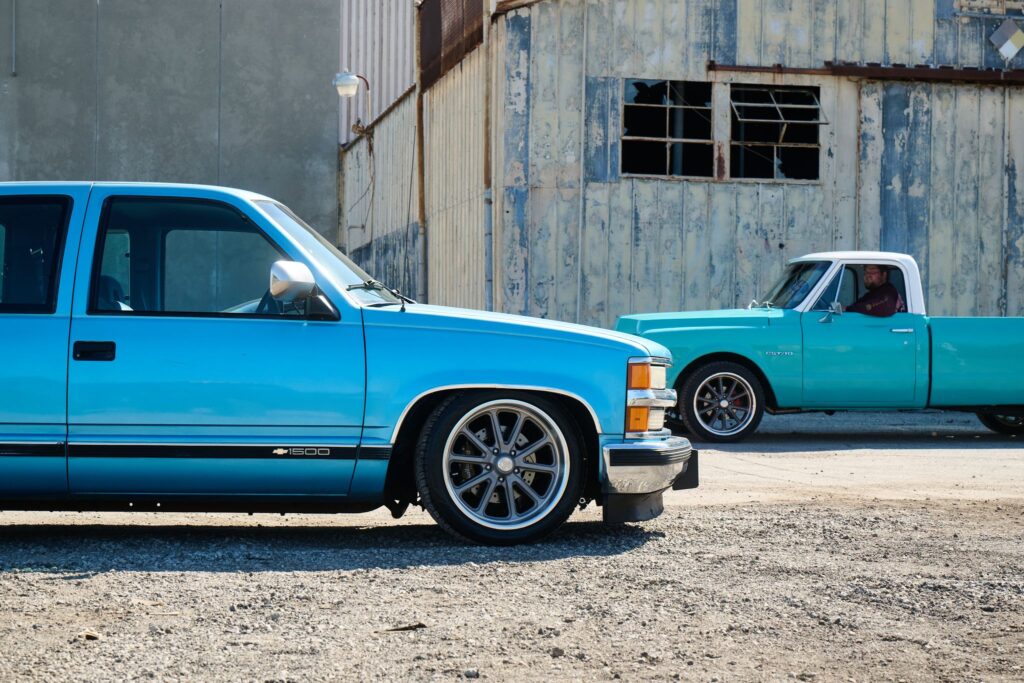
Classic truck trends are one of the market’s most dynamic segments, with vintage pickups and SUVs drawing more attention from collectors and enthusiasts. What were once considered working vehicles only are now proving to be significant collector opportunities.
Several factors drive this trend. First, the current truck and SUV market dominance creates natural interest. Buyers accustomed to driving modern trucks appreciate vintage examples that offer similar utility with unique character. Second, classic trucks often provide more accessible entry points than exotic sports cars, opening up the collector market to a variety of budgets.
The restoration and modification approach for classic trucks often emphasizes usability alongside authenticity. Owners want trucks they can actually use for weekend projects, shows, and enjoyable driving rather than trailer queens that never touch pavement. This practical orientation encourages suspension upgrades that improve capability and comfort, creating opportunities for components like advanced coilover shock systems that enhance performance while maintaining appropriate appearance.
Technology Transforming Restoration and Maintenance
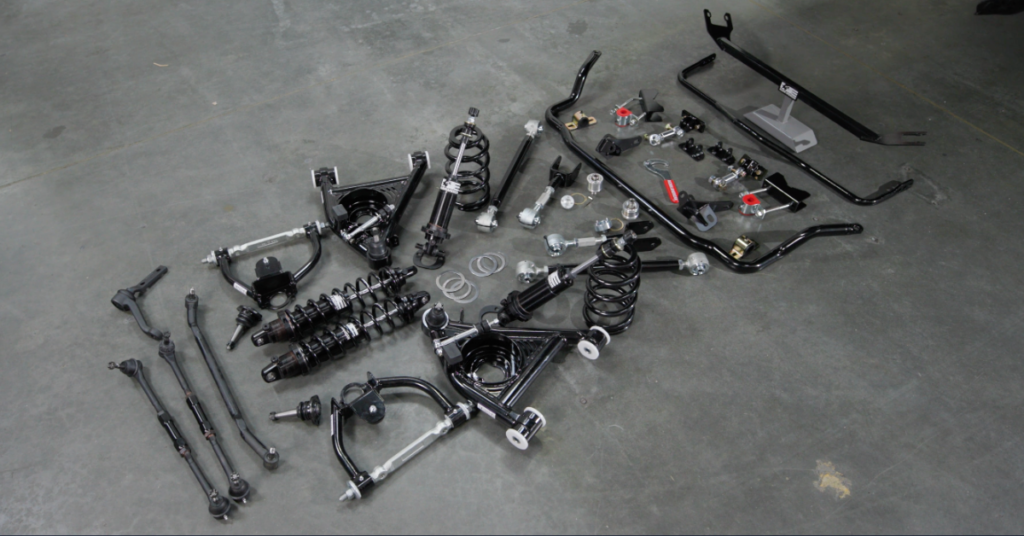
Modern technology is revolutionizing how enthusiasts approach classic vehicle restoration and maintenance, creating opportunities that didn’t exist even a few years ago. These innovations address long-standing challenges while opening new possibilities for preservation and enhancement.
3D printing technology provides solutions for parts availability challenges that previously limited restoration options. Components that were once unavailable due to discontinued production can now be recreated with precision, allowing authentic restorations of even obscure vehicles. This technology reduces costs and downtime while maintaining authenticity that collectors value.
Advanced diagnostic tools bring modern precision to vintage vehicle maintenance. Sophisticated equipment can identify issues faster and more accurately than traditional methods, streamlining maintenance and preventing small problems from becoming major failures.
These technological advantages particularly benefit brands with passionate followings but limited parts availability. Enthusiasts restoring vehicles from manufacturers like Pontiac can leverage modern technology to overcome parts challenges while preserving the true character.
Electric Conversion Controversy and Opportunity
One of the most polarizing classic car market trends involves electric powertrain conversions. Companies like Lunaz Design and Everrati are retrofitting classic vehicles with electric powertrains, creating machines that combine vintage aesthetics with modern performance and environmental credentials.
Fans of electric conversions argue that they preserve classic designs while addressing environmental concerns and improving reliability. Stricter emissions regulations increasingly restrict where certain vehicles can be driven, potentially making electric conversions necessary for continued usability in some states. The conversions also attract younger enthusiasts who value sustainability alongside style.
Critics counter that removing original powertrains destroys what makes these vehicles authentic, essentially creating expensive replicas rather than preserving automotive history. This debate highlights fundamental questions about what we’re actually preserving when we restore classic vehicles – the complete original package or just the exterior appearance?
The market currently supports both approaches. Original, numbers-matching vehicles command premiums from traditional collectors, while tastefully modified restomods appeal to enthusiasts prioritizing drivability over absolute originality. Electric conversions represent the extreme end of the modification spectrum, creating a niche market that will likely remain controversial but continues growing.
Investment Grade vs. Driver Quality Markets
SEMA data indicates the classics market accounted for $1.81 billion in retail part sales in 2022, showing robust aftermarket support for cars being driven and modified rather than simply collected.
While rare, limited-edition classics continue fetching record prices at auctions, but the broader market consists of enthusiasts buying vehicles they can afford to own, modify, and enjoy. These owners invest in improvements that enhance their driving experience rather than pursuing originality that maximizes auction value.
Looking Forward: Challenges and Opportunities
The classic car market trends shaping the world create both challenges and opportunities for enthusiasts. SEMA research acknowledges the possibility of market size decline as pre-1990s classics leave the road due to age, mechanical failure, or regulatory restrictions. However, the expanding definition of “classic” to include 1980s and 1990s vehicles provides new inventory as earlier generations age out.
The robust aftermarket support, growing restomod acceptance, and expanding collector base suggest the classic car market remains healthy despite challenges.