
1988 – 1998 Chevrolet C1500: A Decade of Great Chevy Trucks
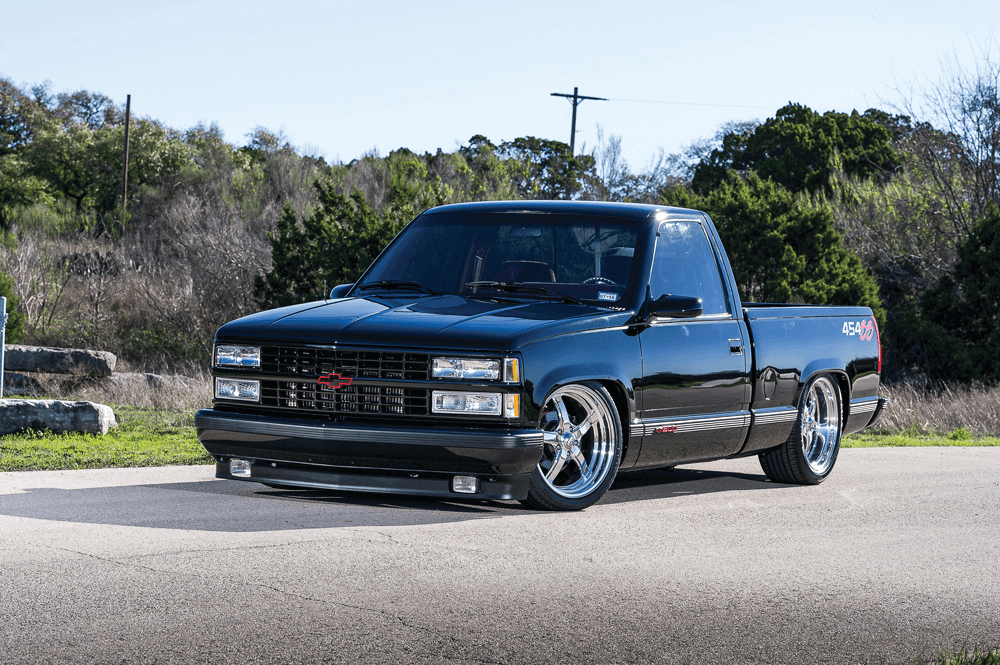
The 1990s were a golden era for American trucks. While competitors were still figuring things out, Chevrolet dropped the Chevrolet C1500 – a truck that changed the game completely. From 1988 to 1998, this workhorse dominated job sites, tow yards, and family driveways across America.
Today, enthusiasts call these trucks “OBS” – Old Body Style – a badge of honor earned after the Silverado took over in 1999. But here’s the thing: the 1988-1998 Chevrolet C1500 isn’t just nostalgia on wheels. It’s a seriously capable platform that still delivers the goods three decades later.
The GMT400 Platform: Chevrolet’s Blueprint for Success
The 1988 Chevy 1500 marked the beginning of Chevrolet’s fourth-generation C/K truck series, built on the revolutionary GMT400 platform. This wasn’t just a facelift – GM Truck & Bus Group went back to the drawing board and reimagined what a light-duty truck should be.
The engineering team leveraged serious computing power (cutting-edge stuff for the 1980s) to nail down every detail. Their mission was clear: build a truck that worked harder, rode better, and looked more modern than anything else on the road.
They succeeded.
Modern Looks That Still Turn Heads
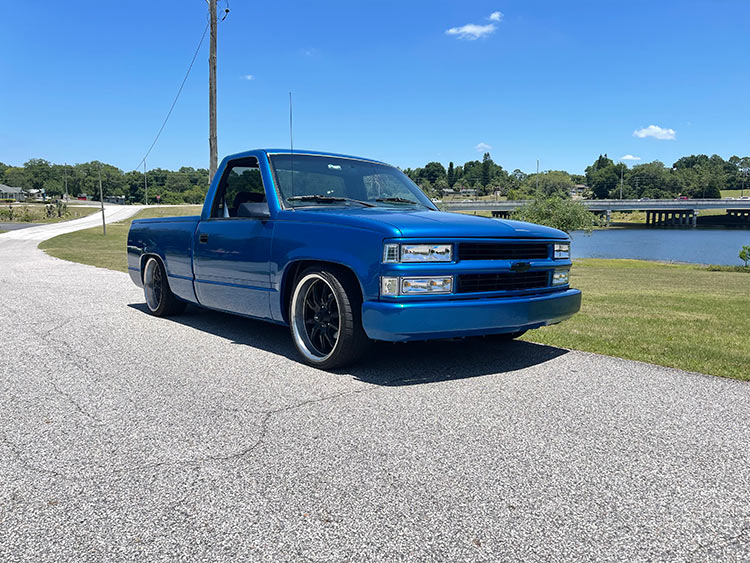
Drop the 1988 C1500 next to its predecessor and the difference is night and day. Out went the boxy, upright design of the third-gen trucks. In came aerodynamic styling that cut through the wind while maintaining that unmistakable Chevrolet truck presence.
The new front end featured a sloped hood, flush-mounted headlights, and a curved grille that improved both looks and fuel economy. Sedan-style doors with flush glass gave the cab a contemporary feel without sacrificing toughness. This was a truck that looked at home hauling lumber or pulling into a restaurant parking lot.
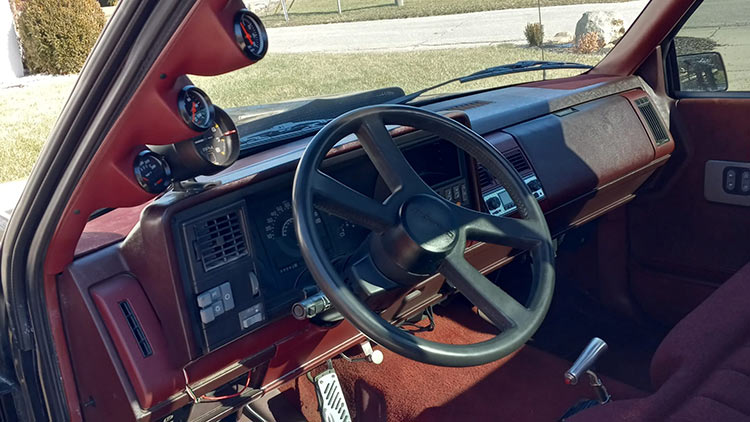
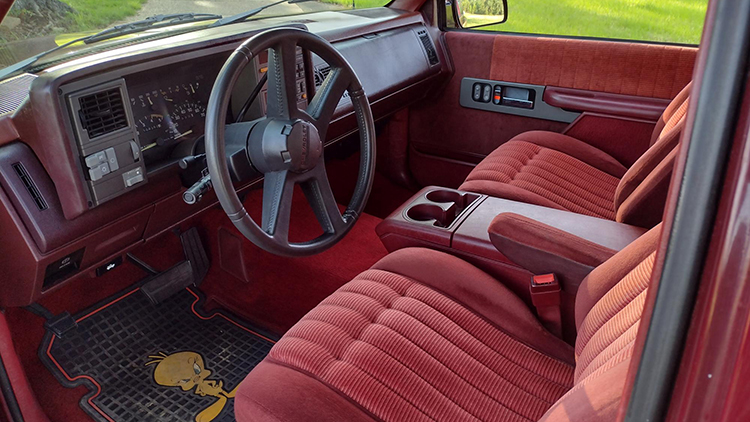
Inside, Chevrolet finally gave truck buyers what they deserved: a dashboard that didn’t feel like it came from a farm tractor. The redesigned interior featured modern gauges, better seating, and actual storage space. Revolutionary? Maybe not. Overdue? Absolutely.
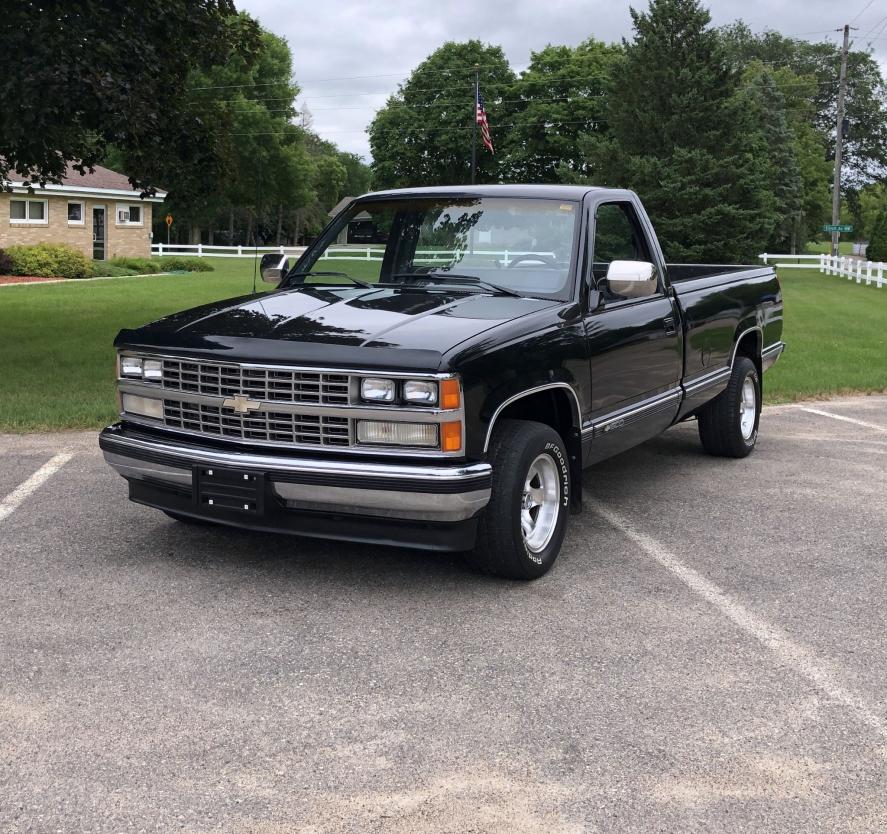
1988 Chevrolet C1500
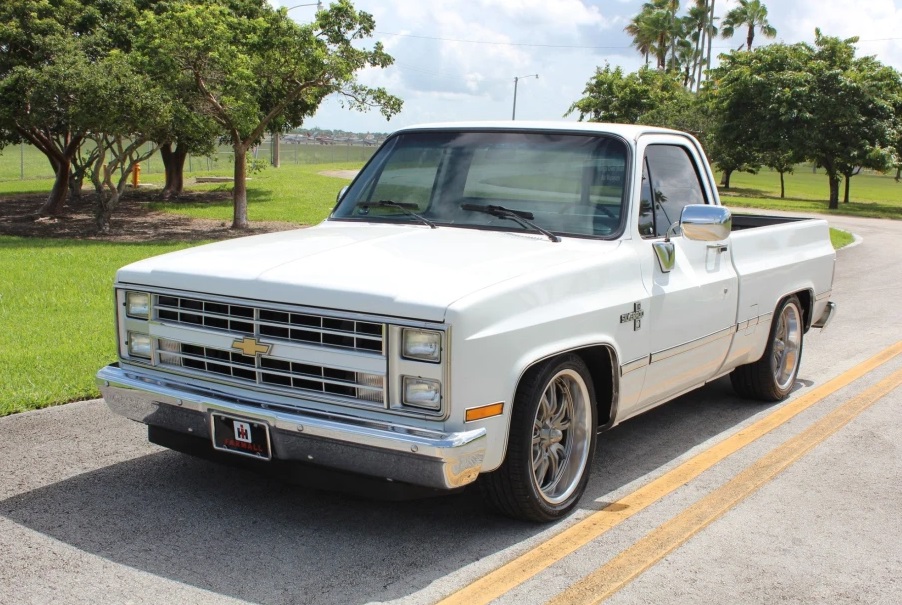
1987 Chevrolet C1500
Body Styles for Every Job
The Chevy C1500 came in three cab configurations, each serving different needs without compromise.
The regular cab stuck with the basics – seating for two or three, a six-foot bed, and all the truck you’d need for most jobs. Extended cabs added a small rear seating area and extra storage behind the front seats. The crew cab brought full-size rear doors and genuinely usable back seats that could handle adults on long hauls.
Factory options ranged from bare-bones work truck spec to loaded Silverado trim with air conditioning, power everything, upgraded sound systems, and leather seats. By 1993, extended cab models could even be optioned with front bucket seats – a luxury feature that made long drives considerably more comfortable.
How easy is it to upgrade a C1500’s suspension? Watch the coilover install on this ’88 OBS 1500:
The 1994 Refresh: Keeping It Current
By 1994, the 1994 Chevrolet C1500 received meaningful updates that kept it competitive. The front grille got redesigned with a more prominent Chevrolet bowtie and a wider opening for improved engine cooling – practical upgrades that also sharpened the truck’s appearance.
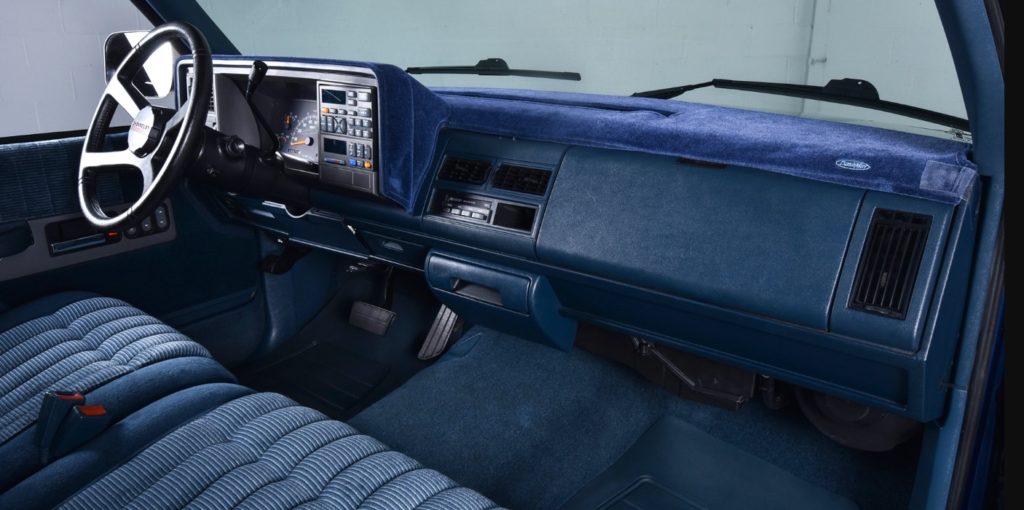
Inside, the dashboard received a complete overhaul with better ergonomics and improved functionality. Climate controls moved to more logical locations, and the radio sat higher on the dash where you could actually reach it without taking your eyes off the road for too long.
The 1998 model year brought the final updates before the Silverado nameplate took over. Updated grilles, new badging, and fresh interior color schemes gave the 1998 Chevrolet C1500 a proper send-off.
Independent Front Suspension: The Game Changer
Here’s where the fourth-gen Chevy C1500 separated itself from the pack. Chevrolet ditched the ancient solid front axle design and embraced independent front suspension – a setup that transformed how these trucks drove.
The system used upper and lower control arms, coil springs, and telescopic shocks. This allowed each front wheel to move independently, dramatically reducing the shock and vibration that plagued previous generations. The result? A truck that rode like a civilized vehicle instead of a buckboard wagon.
A new boxed-section frame from the cab forward provided the rigid foundation this sophisticated suspension needed. The engineering worked, and it worked well.
Out back, Chevrolet stuck with a refined multi-leaf spring design that balanced ride quality with serious load-carrying capability. The system wasn’t flashy, but it did the job reliably for decades. Modern coil-over shocks can take these factory suspension systems to the next level, delivering contemporary handling and adjustability while maintaining the truck’s classic character.
Power Options That Delivered
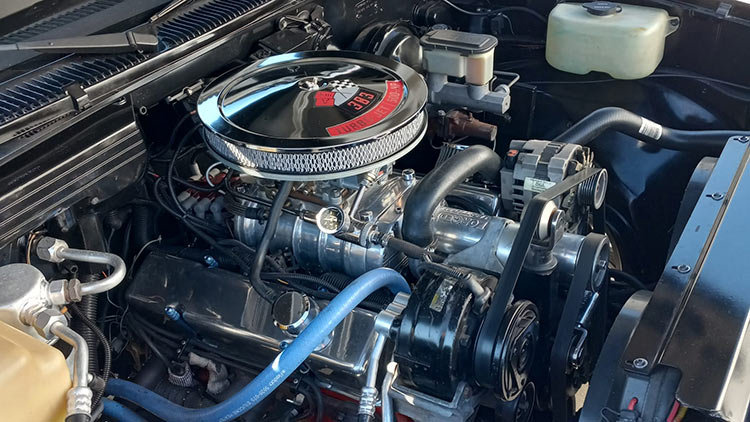
Under the hood, the 1988 Chevrolet C1500 offered an engine for every application and budget.
The base LB4 4.3L V6 produced 160 horsepower and 230 lb-ft of torque – adequate for light-duty work and daily driving while delivering respectable fuel economy. For those who needed more muscle, Chevrolet offered the L03 5.0L V8 and the popular L05 5.7L V8.
The 6.2L Detroit Diesel V8 served buyers who prioritized fuel economy and torque over outright horsepower. In 1992, Chevrolet introduced the 6.5L turbocharged diesel – claimed to be the first turbodiesel in a light-duty truck under 8,500 pounds GVWR.
Transmission choices were straightforward: a four-speed manual (rarely ordered) or the far more popular four-speed automatic. Starting in 1993, the automatic transmission paired with the 5.7L V8 received upgraded electronics and earned the 4L60E designation.
The 1996 model year brought the Vortec revolution. The three gasoline V8 engines underwent significant upgrades, becoming the Vortec 5000, 5700, and 7400. Sequential port fuel injection replaced the outdated throttle-body system, improving power, efficiency, and reliability while meeting stricter EPA standards.
For buyers who wanted maximum performance, the 454 SS package delivered a 7.4L big block V8 with upgraded suspension components including gas shocks and larger stabilizer bars front and rear.
Why These Trucks Still Matter
The 1988-1998 C1500 wasn’t just popular – it was everywhere. According to the Internet Movie Car database, fourth-gen C1500 trucks appeared in over 300 movies and television shows. That’s not marketing hype. That’s proof of iconic status.
These trucks earned their reputation through honest capability. They hauled loads, towed trailers, survived jobsite abuse, and kept running with basic maintenance. Owners trusted them because they rarely had reason not to.
Today’s enthusiasts appreciate what Chevrolet built. The combination of classic styling, robust construction, and parts availability makes these trucks ideal candidates for restoration and modification.
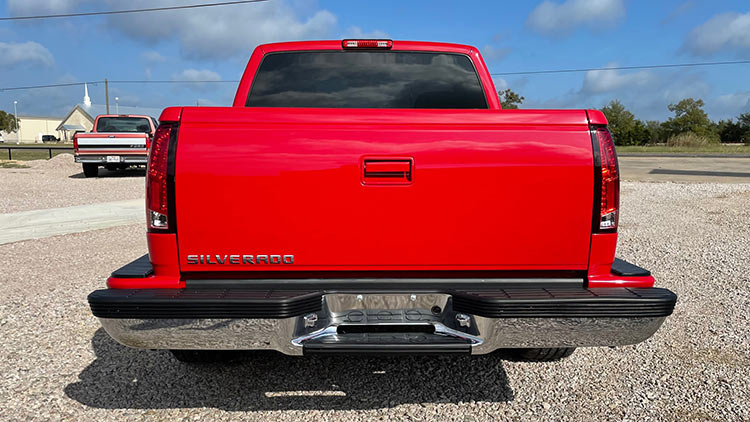
Modern Upgrades for Classic Performance
The fourth-generation C1500 platform responds exceptionally well to modern suspension upgrades. Chevrolet proved this themselves with the 454 SS package – those performance improvements are easy to duplicate on any fourth-gen truck.
Chevrolet-specific suspension packages address the unique characteristics of the GMT400 platform. The right components can transform how these trucks handle without destroying their character or usefulness.
Aldan American offers complete coilover conversion kits engineered specifically for the 1988-1998 Chevrolet C1500. These systems bolt on without drilling, cutting, or welding – installations that DIY enthusiasts can handle in their own garages with basic tools.
Professional-grade suspension packages feature fully rebuildable and serviceable shocks covered by Aldan American’s Limited Lifetime Warranty. Single- and double-adjustable options let you dial in the exact ride quality you want, whether you’re cruising, hauling, or carving corners.
Threaded spring perches allow front ride height adjustment up to 2 inches lower than stock – perfect for improving handling and achieving that aggressive stance without compromising daily usability.
The Legacy of Good Engineering
The 1988-1998 Chevrolet C1500 succeeded because it delivered on every promise Chevrolet made. It was tough enough for work, comfortable enough for family duty, and capable enough to handle whatever you threw at it.
Three decades later, these trucks remain relevant and desirable. Clean examples command respect and decent money. Modified examples showcase what’s possible when you combine solid engineering with modern technology.
Whether you’re restoring a survivor to factory condition or building a custom hauler with contemporary performance, the fourth-gen Chevy C1500 provides a proven foundation that won’t let you down. That’s the legacy of good engineering and honest capability – the hallmarks of American truck building at its best.


