
C4 Corvette History: The Evolution of America’s Sports Car
C4 Corvette history reveals one of the most dramatic transformations in American automotive evolution. After three generations that largely honored the original Corvette design language, Chevrolet took a bold leap forward with the fourth generation that would define performance sports cars from 1984 to 1996.
Chevrolet Corvette C4 history tells the story of a car that broke with tradition, dominated racing circuits so thoroughly it got banned, and established new benchmarks for American performance that still resonate today.
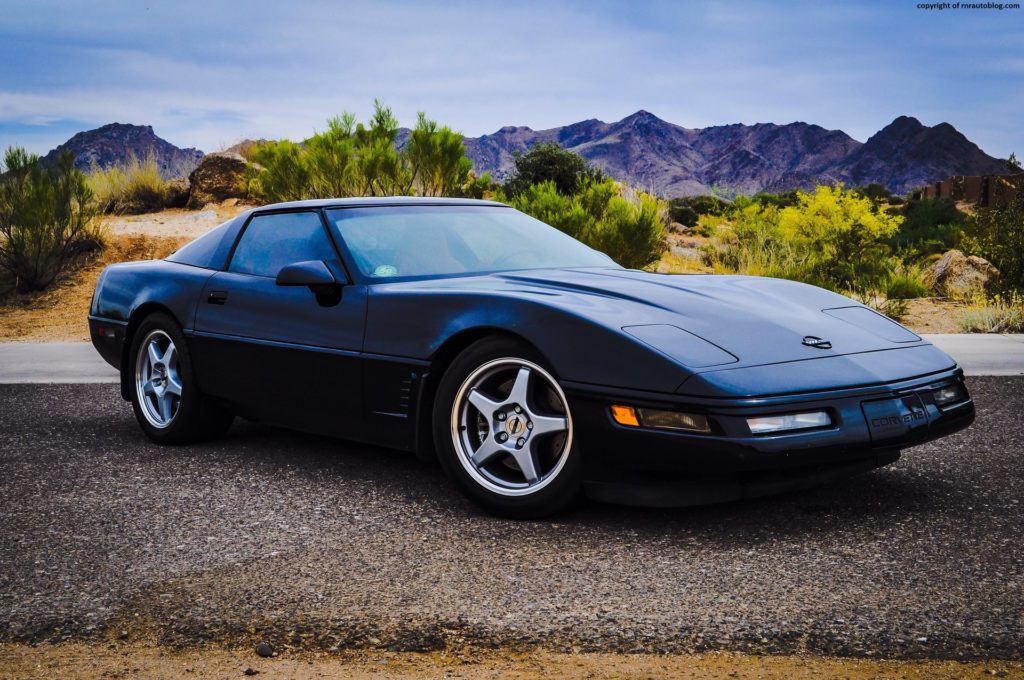
When Did the C4 Corvette Come Out?
The answer reveals an interesting chapter in automotive history. After an array of production issues forced Chevrolet to pause Corvette manufacturing in 1983, the C4 finally rolled out for the 1984 model year. This gap created the unusual situation where no 1983 Corvette exists, making the transition from C3 to C4 a clean break rather than a gradual evolution.
The delay proved worthwhile. When the 1984 C4 finally reached showrooms, it was the most comprehensive redesign in Corvette history, setting the stage for Corvette production that would span over a decade of continuous refinement and improvement.
Revolutionary Design Philosophy
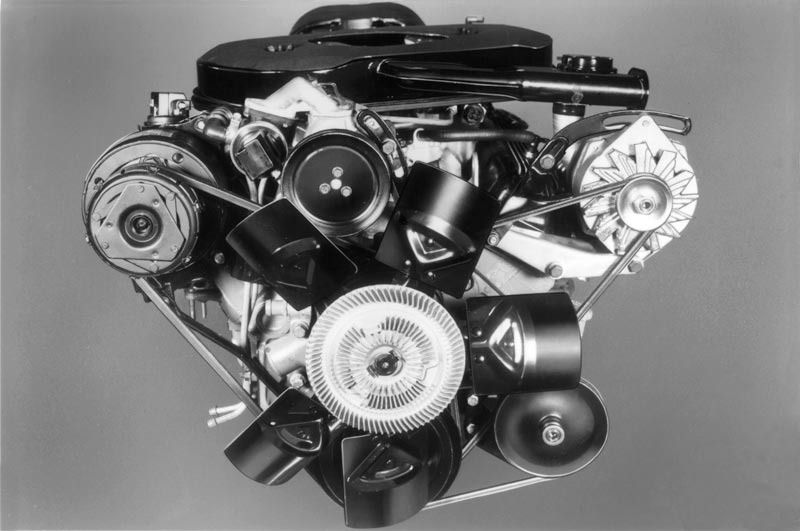
New Corvette Chief Engineer Dave McLellan replaced legendary engineer Zora Arkus-Duntov with ambitious plans for the fourth generation. Lead Designer Jerry Palmer took over from Bill Mitchell with a clear mission: update the Corvette’s appearance without losing the classic features that fans of this car so loved.
Palmer’s design moved the doors outward to create genuinely usable interior space – a criticism that had dogged previous Corvettes. The team shortened the overall length by trimming the tail, creating more aggressive proportions that emphasized the car’s performance capabilities. The most significant structural change involved building the C4 on a uniframe that combined components like the windshield frame into a single integrated unit, dramatically improving structural rigidity.
These changes moved the C4 away from the sports car lineage that had defined earlier Corvettes. The new design philosophy prioritized performance and functionality alongside the styling that made Corvettes distinctive, creating a more modern interpretation of what America’s sports car could be.
The 1986 model year brought back the convertible option that had been absent since 1975, giving buyers the choice between coupe and open-air driving experiences. This addition proved popular with enthusiasts who wanted to feel the wind while experiencing C4 performance.
Engine Evolution and Performance Gains
The C4 Corvette specs evolved dramatically throughout the model’s production run, with engine development playing a central role in the car’s improving performance capabilities.
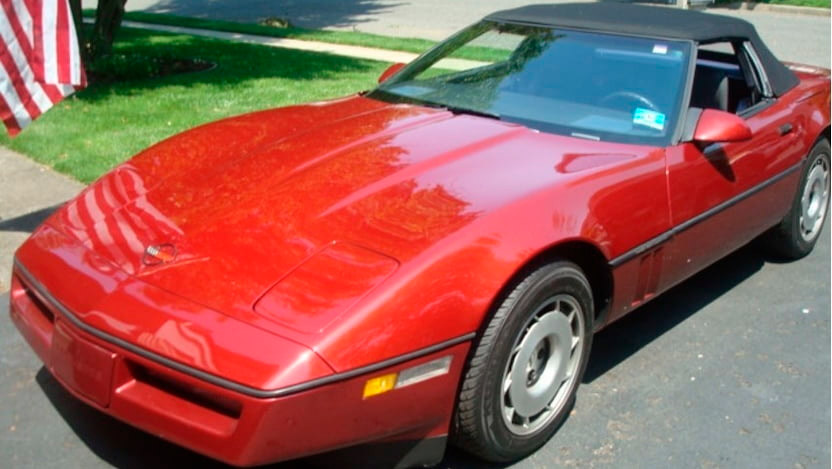
The L83 Era (1984): The first C4s featured the small-block L83 V8 carried over from the 1982 Corvette. This 5.7-liter engine used Cross-Fire fuel injection that generated significant criticism from enthusiasts and automotive journalists. The 205 horsepower and 290 lb-ft of torque disappointed buyers who expected more from America’s premier sports car. The combination of questionable fuel injection technology and modest power output made the L83 a short-lived option, discontinued after just one model year.
The L98 Improvement (1985-1991): Starting in 1985, Chevrolet addressed the power deficit with the L98 5.7L 350ci V8. This engine represented a substantial improvement over its predecessor, featuring a Tuned-Port fuel injection system and a higher compression ratio that finally delivered respectable performance. Throughout its 1985-1991 production run, the L98 produced between 230-250 horsepower and 330-350 lb-ft of torque depending on model year. While these numbers still fell short of pre-emissions era Corvette engines, they represented genuine progress toward reclaiming the performance crown.
The ZR-1 Revolution (1990-1995): The LT5 5.7L 350ci V8 that powered the ZR-1 option package represented GM’s most ambitious effort to create a world-class performance engine. Producing 375 horsepower at 6,000 RPM and 370 lb-ft of torque at 4,800 RPM, this sophisticated powerplant made the C4 genuinely competitive with European exotics. The ZR-1 broke the 24-hour, 5,000-mile land speed record with speeds reaching 175 mph, proving that American engineering could compete on the world stage.
The LT1 Standard (1992-1996): The LT1 5.7L 350ci V8 became the standard engine from 1992-1996, delivering 300 horsepower at 5,000 RPM and 340 lb-ft of torque at 4,000 RPM. This engine provided strong performance in a more affordable package than the exotic ZR-1, making serious Corvette performance accessible to more buyers.
The LT4 Finale (1996): Select 1996 C4s received the LT4 5.7L 350ci V8 producing 330 horsepower and 340 lb-ft of torque. This engine represented the culmination of small-block development, providing impressive performance as the C4 generation prepared to give way to the revolutionary C5.
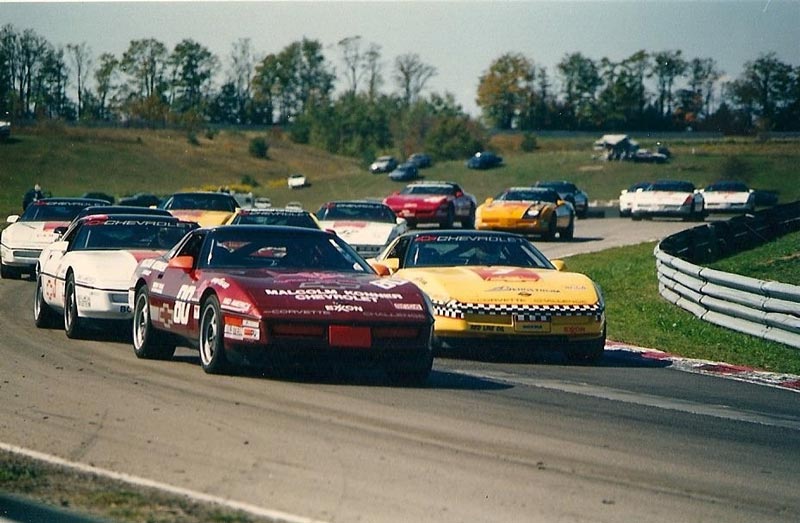
courtesy Gary Konner
Banned for Being Too Good
The C4 Corvette’s history includes a remarkable achievement: dominating SCCA Showroom Stock GT racing so thoroughly that the sanctioning body banned the car from competition!
From 1985-1987, C4 Corvettes dominated the Playboy and Escort Endurance Championship with superior handling, exceptional braking, and impressive speed that left competitors struggling to keep pace.
The combination of advanced suspension technology, effective aerodynamics, and strong power delivery created a package that other manufacturers simply couldn’t match within the showroom stock rules. Podium finish after podium finish demonstrated the C4’s capabilities, but also generated backlash from other manufacturers and their supporters.
To maintain competitive balance and ensure strong participation, the SCCA made the controversial decision to ban Corvettes from the series. Rather than being a failure, this ban served as the ultimate compliment: the C4 was simply too good for the competition to handle.
Suspension Technology and Handling Excellence
The superior handling that led to the C4’s racing ban came from sophisticated suspension engineering that represented a massive leap forward from previous Corvettes. The uniframe construction provided exceptional rigidity that allowed the suspension to work more effectively, while careful geometry optimization created handling characteristics that rivaled European sports cars.
Modern C4 owners can enhance these already impressive dynamics with contemporary suspension technology. Professional-grade suspension packages designed specifically for C4 applications can transform the driving experience while preserving the aggressive character that makes these Corvettes special.
Quality coilover shock systems provide the precise damping control that allows C4 owners to optimize their cars for different applications, from comfortable street driving to serious track work. Chevrolet-specific suspension solutions address the unique requirements of C4 platforms with engineering developed specifically for these characteristics.
For C4 enthusiasts looking to maximize their car’s potential, complete coilover kits offer comprehensive solutions that build upon the C4’s excellent foundation. C4-specific coilover systems provide everything needed to transform handling while maintaining the reliability that makes these cars genuinely usable.
Check Out This Recent Aldan Corvette Coilover Install:
Legacy and Collectability
The Corvette C4 years from 1984-1996 produced vehicles that continue gaining appreciation among collectors and enthusiasts. The ZR-1 models command premium prices for their exotic engineering and impressive performance, while well-maintained examples of standard C4s offer accessible entry into Corvette ownership with genuine performance capabilities.
The C4 generation proved that American manufacturers could build sports cars that competed effectively with European alternatives. The combination of improving performance throughout the model run, sophisticated engineering, and distinctive styling created vehicles that remain relevant decades after production ended.
Modern suspension technology allows today’s C4 owners to enhance their cars while preserving the original character that makes these cars special. Browse our complete product selection to find suspension solutions that can transform your C4’s already impressive capabilities.