Lowered vs. Lifted Classic Trucks
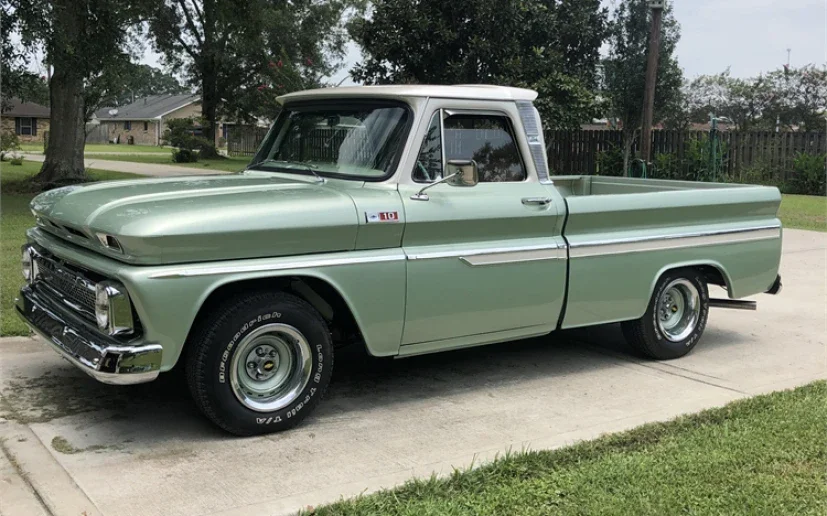
The classic truck scene today has never been more diverse, with builders pursuing dramatically different visions for their vintage haulers. Walk through any car show and you’ll see pristine lowered classic trucks sitting frame-to-pavement alongside towering lifted ones that grab attention from blocks away.
Both approaches have passionate followings, but the lifted truck vs lowered truck debate goes deeper than just aesthetics. Car enthusiasts just have fundamentally different ideas about what makes a truck great.

Choosing between lifting and lowering shapes every aspect of your build, from suspension components and wheel selection to daily usability and long-term use. Let’s take a closer look at the pros and cons of each.
The Lowered Classic Truck Philosophy
Lowered classic trucks embrace the idea that trucks can be as sleek and performance-oriented as any sports car. This approach transforms the traditionally utilitarian proportions of pickup trucks into something that looks like it’s moving even when parked. The lowered stance creates visual drama while delivering genuine performance benefits that make these trucks surprisingly capable on twisty roads.
The suspension modifications required for lowering go far beyond simply cutting springs or cranking torsion bars. Quality lowered builds require careful attention to suspension geometry, component selection, and setup to maintain both performance and safety. Drop spindles, revised control arms, and properly valved shock absorbers work together to create handling characteristics that would shock anyone expecting typical truck dynamics.
Modern lowering techniques allow builders to achieve dramatic stance changes while preserving ride quality that often exceeds factory specifications. Air suspension systems take this concept even further, providing infinite adjustability that allows trucks to lay frame on the ground for show while maintaining practical ride height for daily driving.
The Appeal of Going Low

The visual impact of a well- executed lowered classic truck is undeniable. These builds transform the chunky, utilitarian appearance of vintage trucks into something that flows like liquid metal. The lowered stance emphasizes body lines that designers never intended to be prominent while creating proportions that look both aggressive and elegant.
Performance benefits extend beyond just appearance. Lowering the center of gravity dramatically improves handling characteristics, reducing body roll and improving cornering stability. Many owners find out their lowered trucks handle better than contemporary sports cars, despite weighing significantly more. The improved aerodynamics of a lowered stance also contribute to better fuel economy at highway speeds.

The technical challenges of lowering classic trucks properly have driven significant innovation in suspension technology. Custom control arms, revised pickup points, and sophisticated shock and spring combinations allow modern builders to achieve results that early lowered truck pioneers could only dream about.
The Lifted Classic Truck Movement

Lifted classic trucks represent the opposite philosophy – bigger is better, and commanding presence trumps everything else. These builds celebrate the truck’s working heritage while taking capability to extremes that factory engineers never envisioned. A properly lifted classic truck can tackle terrain that would stop most modern 4WD vehicles while looking absolutely intimidating in the process.
The suspension modifications required for serious lifting involve more than just adding taller springs and shocks, though. Lifted builds require careful attention to suspension geometry, driveline angles, and component strength to handle the increased stresses that come with larger tires and more aggressive terrain use. Quality lift kits address these concerns with revised control arms, steering components, and carefully engineered mounting points.
Modern lifting techniques have evolved far beyond the crude body lifts and spring blocks that characterized early lifted trucks. Contemporary lift kits maintain factory ride quality while providing ground clearance that opens up entirely new possibilities for truck use.
Why Go Big with Classic Trucks?
The visual impact of lifted classic trucks is impossible to ignore. These builds demand respect wherever they go, and are just what you need if you want both capability and attitude. The increased ground clearance and larger tire combinations create proportions that emphasize the truck’s working heritage while taking it to extremes.
Capability improvements are substantial and measurable. Increased ground clearance allows lifted trucks to tackle terrain that would damage lowered vehicles, while larger tires mean you’ll have excellent traction on rough terrain. Most lifted classic truck owners will tell you that their trucks are more capable off-road than modern off-road vehicles equipped with sophisticated electronic aids.
The lifting process often reveals the robust engineering that went into classic truck design. These vehicles were built to handle serious abuse, and lifting modifications allow owners to exploit capabilities that were always present, but rarely used in stock form.
Handling and Performance Differences
The lifted vs lowered trucks comparison reveals fundamental differences in handling characteristics and performance priorities. Lowered classic trucks typically exhibit sports car-like handling with reduced body roll, improved cornering stability, and more precise steering response. The lower center of gravity creates confidence-inspiring dynamics that encourage spirited driving on paved roads.
Lifted classic trucks prioritize different performance characteristics. While they may exhibit more body roll and less precise steering on pavement, they also offer capabilities that lowered trucks simply can’t. Rock crawling, deep mud, and serious off-road terrain are nothing a lifted truck can’t handle, as long as they’ve got the right tires and suspension components.
Ride quality differences depend heavily on execution quality rather than the approach itself. Well-designed lowered trucks often ride better than stock, while properly engineered lifted trucks can maintain surprisingly comfortable ride characteristics.
Practical Considerations and Daily Usability
Real-world usability varies significantly between lowered vs lifted trucks. Lowered classic trucks excel on paved roads, with the caveat that you need to pay careful attention to ground clearance. Speed bumps, steep driveways, and parking lot curbs become obstacles, but that’s the trade-off with all lowered cars. They aren’t really meant for daily driving, anyway.
Lifted classic trucks eliminate ground clearance concerns, but create different challenges. Increased height makes loading cargo more difficult, and the larger tires often reduce fuel economy and increase road noise. Parking garages and drive-through facilities may become inaccessible depending on the amount of lift applied, so that’s something to keep in mind.
In summary, both approaches can impact truck utility. The key is choosing an approach that aligns with your intended use.
Suspension Technology and Component Requirements
The suspension components required for these truck builds bring different engineering challenges and cost considerations. Lowered classic trucks typically require drop spindles, revised control arms, custom shock absorbers, and the right springs to maintain proper geometry and ride quality. Air suspension systems add complexity but you’ll have a range of adjustability.
Lifted classic trucks need different component sets including lift blocks, extended shocks, longer springs, and often revised steering components to accommodate increased suspension travel. Serious lifts may require custom driveshafts, transfer case modifications, and strengthened drivetrain components to handle the increased stresses.
Quality matters significantly more than specific approach. Poorly executed lowered trucks ride terribly and handle unpredictably, while cheap lift kits create handling problems and premature wear issues. This is why Investing in quality components is key to overall performance.
Getting the Components Right
Once you’ve decided on your direction, component selection makes the difference between a truck that looks good and one that truly performs. For your lowered truck, you’re going to need drop spindles, revised control arms, and shocks specifically valved for the reduced suspension travel. Cheap coil springs will sag and create handling problems – invest in quality springs that maintain their rate over time.
If you’re looking to lift, you’ll need components engineered for the increased stresses and suspension travel. Extended-travel shocks, heavy-duty springs, and steering components designed for lifted applications prevent premature wear. Don’t forget that serious lifts often require driveline modifications to maintain proper angles.
Both approaches benefit enormously from professional alignment after installation. The geometry changes that create the desired stance also alter suspension behavior in ways that require expert adjustment to optimize.
At Aldan American, we’ve learned that builders who invest in quality components from the start end up with trucks they actually drive and enjoy, rather than garage queens that look good but ride terribly. Whether you’re going low or high, your suspension parts will decide whether your finished truck delivers on its visual promise.


